
-
admin wrote a new post 1 month, 1 week ago
Everyone Is Selling a House Because No One Feels SecureThe pandemic feels like a lifetime ago, but its cultural aftershocks are still cracking foundations. People moved. Jobs changed. The culture of work had its script…
-
admin wrote a new post 1 month, 1 week ago
From guardrails to governance: A CEO’s guide for securing agentic systems
 The previous article in this series, “Rules fail at the prompt, succeed a […]
 -
admin wrote a new post 1 month, 1 week ago
The Download: the future of nuclear power plants, and social media-fueled AI hype
 This is today’s edition of The Download, our weekday new […]
 -
admin wrote a new post 1 month, 1 week ago
VfL Wolfsburg turns ChatGPT into a club-wide capabilityBy focusing on people, not pilots, the Bundesliga club is scaling efficiency, creativity, and knowledge—without losing its football identity.
-
admin wrote a new post 1 month, 1 week ago
Top 10 MCP Servers for AI Builders in 2026AI agents are no longer just answering questions. They read code, deploy apps, run workflows, move […]
-
admin wrote a new post 1 month, 1 week ago
A Coding Implementation to Train Safety-Critical Reinforcement Learning Agents Offline Using Conservative Q-Learning with d3rlpy and Fixed Historical DataIn this tutorial, we build a safety-critical reinforcement learning pipeline that learns entirely from fixed, offline data rather than live exploration. We design a custom environment, generate a behavior dataset from a constrained policy, and then train both a Behavior Cloning baseline and a Conservative Q-Learning agent using d3rlpy. By structuring the workflow around offline datasets, careful evaluation, and conservative learning objectives, we demonstrate how robust decision-making policies can be trained in settings where unsafe exploration is not an option. Check out the FULL CODES here. Copy CodeCopiedUse a different Browser!pip -q install -U “d3rlpy” “gymnasium” “numpy” “torch” “matplotlib” “scikit-learn” import os import time import random import inspect import numpy as np import matplotlib.pyplot as plt import gymnasium as gym from gymnasium import spaces import torch import d3rlpy SEED = 42 random.seed(SEED) np.random.seed(SEED) torch.manual_seed(SEED) def pick_device(): if torch.cuda.is_available(): return “cuda:0” return “cpu” DEVICE = pick_device() print(“d3rlpy:”, getattr(d3rlpy, “__version__”, “unknown”), “| torch:”, torch.__version__, “| device:”, DEVICE) def make_config(cls, **kwargs): sig = inspect.signature(cls.__init__) allowed = set(sig.parameters.keys()) allowed.discard(“self”) filtered = {k: v for k, v in kwargs.items() if k in allowed} return cls(**filtered) We set up the environment by installing dependencies, importing libraries, and fixing random seeds for reproducibility. We detect and configure the computation device to ensure consistent execution across systems. We also define a utility to create configuration objects safely across different d3rlpy versions. Check out the FULL CODES here. Copy CodeCopiedUse a different Browserclass SafetyCriticalGridWorld(gym.Env): metadata = {“render_modes”: []} def __init__( self, size=15, max_steps=80, hazard_coords=None, start=(0, 0), goal=None, slip_prob=0.05, seed=0, ): super().__init__() self.size = int(size) self.max_steps = int(max_steps) self.start = tuple(start) self.goal = tuple(goal) if goal is not None else (self.size – 1, self.size – 1) self.slip_prob = float(slip_prob) if hazard_coords is None: hz = set() rng = np.random.default_rng(seed) for _ in range(max(1, self.size // 2)): x = rng.integers(2, self.size – 2) y = rng.integers(2, self.size – 2) hz.add((int(x), int(y))) self.hazards = hz else: self.hazards = set(tuple(x) for x in hazard_coords) self.action_space = spaces.Discrete(4) self.observation_space = spaces.Box(low=0.0, high=float(self.size – 1), shape=(2,), dtype=np.float32) self._rng = np.random.default_rng(seed) self._pos = None self._t = 0 def reset(self, *, seed=None, options=None): if seed is not None: self._rng = np.random.default_rng(seed) self._pos = [int(self.start[0]), int(self.start[1])] self._t = 0 obs = np.array(self._pos, dtype=np.float32) return obs, {} def _clip(self): self._pos[0] = int(np.clip(self._pos[0], 0, self.size – 1)) self._pos[1] = int(np.clip(self._pos[1], 0, self.size – 1)) def step(self, action): self._t += 1 a = int(action) if self._rng.random() = self.max_steps reward = -1.0 if (x, y) in self.hazards: reward = -100.0 terminated = True if (x, y) == self.goal: reward = +50.0 terminated = True obs = np.array([x, y], dtype=np.float32) return obs, float(reward), terminated, truncated, {} We define a safety-critical GridWorld environment with hazards, terminal states, and stochastic transitions. We encode penalties for unsafe states and rewards for successful task completion. We ensure the environment strictly controls dynamics to reflect real-world safety constraints. Check out the FULL CODES here. Copy CodeCopiedUse a different Browserdef safe_behavior_policy(obs, env: SafetyCriticalGridWorld, epsilon=0.15): x, y = int(obs[0]), int(obs[1]) gx, gy = env.goal preferred = [] if gx > x: preferred.append(1) elif gx y: preferred.append(0) elif gy < y: preferred.append(2) if len(preferred) == 0: preferred = [int(env._rng.integers(0, 4))] if env._rng.random() < epsilon: return int(env._rng.integers(0, 4)) candidates = [] for a in preferred: nx, ny = x, y if a == 0: ny += 1 elif a == 1: nx += 1 elif a == 2: ny -= 1 elif a == 3: nx -= 1 nx = int(np.clip(nx, 0, env.size – 1)) ny = int(np.clip(ny, 0, env.size – 1)) if (nx, ny) not in env.hazards: candidates.append(a) if len(candidates) == 0: return preferred[0] return int(random.choice(candidates)) def generate_offline_episodes(env, n_episodes=400, epsilon=0.20, seed=0): episodes = [] for i in range(n_episodes): obs, _ = env.reset(seed=int(seed + i)) obs_list = [] act_list = [] rew_list = [] done_list = [] done = False while not done: a = safe_behavior_policy(obs, env, epsilon=epsilon) nxt, r, terminated, truncated, _ = env.step(a) done = bool(terminated or truncated) obs_list.append(np.array(obs, dtype=np.float32)) act_list.append(np.array([a], dtype=np.int64)) rew_list.append(np.array([r], dtype=np.float32)) done_list.append(np.array([1.0 if done else 0.0], dtype=np.float32)) obs = nxt episodes.append( { "observations": np.stack(obs_list, axis=0), "actions": np.stack(act_list, axis=0), "rewards": np.stack(rew_list, axis=0), "terminals": np.stack(done_list, axis=0), } ) return episodes def build_mdpdataset(episodes): obs = np.concatenate([ep["observations"] for ep in episodes], axis=0).astype(np.float32) acts = np.concatenate([ep["actions"] for ep in episodes], axis=0).astype(np.int64) rews = np.concatenate([ep["rewards"] for ep in episodes], axis=0).astype(np.float32) terms = np.concatenate([ep["terminals"] for ep in episodes], axis=0).astype(np.float32) if hasattr(d3rlpy, "dataset") and hasattr(d3rlpy.dataset, "MDPDataset"): return d3rlpy.dataset.MDPDataset(observations=obs, actions=acts, rewards=rews, terminals=terms) raise RuntimeError("d3rlpy.dataset.MDPDataset not found. Upgrade d3rlpy.") We design a constrained behavior policy that generates offline data without risky exploration. We roll out this policy to collect trajectories and structure them into episodes. We then convert these episodes into a format compatible with d3rlpy’s offline learning APIs. Check out the FULL CODES here. Copy CodeCopiedUse a different Browserdef _get_episodes_from_dataset(dataset): if hasattr(dataset, "episodes") and dataset.episodes is not None: return dataset.episodes if hasattr(dataset, "get_episodes"): return dataset.get_episodes() raise AttributeError("Could not find episodes in dataset (d3rlpy version mismatch).") def _iter_all_observations(dataset): for ep in _get_episodes_from_dataset(dataset): obs = getattr(ep, "observations", None) if obs is None: continue for o in obs: yield o def _iter_all_transitions(dataset): for ep in _get_episodes_from_dataset(dataset): obs = getattr(ep, "observations", None) acts = getattr(ep, "actions", None) rews = getattr(ep, "rewards", None) if obs is None or acts is None: continue n = min(len(obs), len(acts)) for i in range(n): o = obs[i] a = acts[i] r = rews[i] if rews is not None and i 0: hz = np.array(list(env.hazards), dtype=np.int32) plt.scatter(hz[:, 0], hz[:, 1], marker=”x”, label=”hazards”) plt.title(f”{title} — State visitation”) plt.xlabel(“x”) plt.ylabel(“y”) plt.legend() plt.show() rewards = [] for _, _, r in _iter_all_transitions(dataset): if r is not None: rewards.append(float(r)) if len(rewards) > 0: plt.figure(figsize=(6, 4)) plt.hist(rewards, bins=60) plt.title(f”{title} — Reward distribution”) plt.xlabel(“reward”) plt.ylabel(“count”) plt.show() We implement dataset utilities that correctly iterate through episodes rather than assuming flat arrays. We visualize state visitation to understand coverage and data bias in the offline dataset. We also analyze reward distributions to inspect the learning signal available to the agent. Check out the FULL CODES here. Copy CodeCopiedUse a different Browserdef rollout_eval(env, algo, n_episodes=25, seed=0): returns = [] lengths = [] hazard_hits = 0 goal_hits = 0 for i in range(n_episodes): obs, _ = env.reset(seed=seed + i) done = False total = 0.0 steps = 0 while not done: a = int(algo.predict(np.asarray(obs, dtype=np.float32)[None, …])[0]) obs, r, terminated, truncated, _ = env.step(a) total += float(r) steps += 1 done = bool(terminated or truncated) if terminated: x, y = int(obs[0]), int(obs[1]) if (x, y) in env.hazards: hazard_hits += 1 if (x, y) == env.goal: goal_hits += 1 returns.append(total) lengths.append(steps) return { “return_mean”: float(np.mean(returns)), “return_std”: float(np.std(returns)), “len_mean”: float(np.mean(lengths)), “hazard_rate”: float(hazard_hits / max(1, n_episodes)), “goal_rate”: float(goal_hits / max(1, n_episodes)), “returns”: np.asarray(returns, dtype=np.float32), } def action_mismatch_rate_vs_data(dataset, algo, sample_obs=7000, seed=0): rng = np.random.default_rng(seed) obs_all = [] act_all = [] for o, a, _ in _iter_all_transitions(dataset): obs_all.append(np.asarray(o, dtype=np.float32)) act_all.append(int(np.asarray(a).reshape(-1)[0])) if len(obs_all) >= 80_000: break obs_all = np.stack(obs_all, axis=0) act_all = np.asarray(act_all, dtype=np.int64) idx = rng.choice(len(obs_all), size=min(sample_obs, len(obs_all)), replace=False) obs_probe = obs_all[idx] act_probe_data = act_all[idx] act_probe_pi = algo.predict(obs_probe).astype(np.int64) mismatch = (act_probe_pi != act_probe_data).astype(np.float32) return float(mismatch.mean()) def create_discrete_bc(device): if hasattr(d3rlpy.algos, “DiscreteBCConfig”): cls = d3rlpy.algos.DiscreteBCConfig cfg = make_config( cls, learning_rate=3e-4, batch_size=256, ) return cfg.create(device=device) if hasattr(d3rlpy.algos, “DiscreteBC”): return d3rlpy.algos.DiscreteBC() raise RuntimeError(“DiscreteBC not available in this d3rlpy version.”) def create_discrete_cql(device, conservative_weight=6.0): if hasattr(d3rlpy.algos, “DiscreteCQLConfig”): cls = d3rlpy.algos.DiscreteCQLConfig cfg = make_config( cls, learning_rate=3e-4, actor_learning_rate=3e-4, critic_learning_rate=3e-4, temp_learning_rate=3e-4, alpha_learning_rate=3e-4, batch_size=256, conservative_weight=float(conservative_weight), n_action_samples=10, rollout_interval=0, ) return cfg.create(device=device) if hasattr(d3rlpy.algos, “DiscreteCQL”): algo = d3rlpy.algos.DiscreteCQL() if hasattr(algo, “conservative_weight”): try: algo.conservative_weight = float(conservative_weight) except Exception: pass return algo raise RuntimeError(“DiscreteCQL not available in this d3rlpy version.”) We define controlled evaluation routines to measure policy performance without uncontrolled exploration. We compute returns and safety metrics, including hazard and goal rates. We also introduce a mismatch diagnostic to quantify how often learned actions deviate from the dataset behavior. Check out the FULL CODES here. Copy CodeCopiedUse a different Browserdef main(): env = SafetyCriticalGridWorld( size=15, max_steps=80, slip_prob=0.05, seed=SEED, ) raw_eps = generate_offline_episodes(env, n_episodes=500, epsilon=0.22, seed=SEED) dataset = build_mdpdataset(raw_eps) print(“dataset built:”, type(dataset).__name__) visualize_dataset(dataset, env, title=”Behavior Dataset (Offline)”) bc = create_discrete_bc(DEVICE) cql = create_discrete_cql(DEVICE, conservative_weight=6.0) print(“nTraining Discrete BC (offline)…”) t0 = time.time() bc.fit( dataset, n_steps=25_000, n_steps_per_epoch=2_500, experiment_name=”grid_bc_offline”, ) print(“BC train sec:”, round(time.time() – t0, 2)) print(“nTraining Discrete CQL (offline)…”) t0 = time.time() cql.fit( dataset, n_steps=80_000, n_steps_per_epoch=8_000, experiment_name=”grid_cql_offline”, ) print(“CQL train sec:”, round(time.time() – t0, 2)) print(“nControlled online evaluation (small number of rollouts):”) bc_metrics = rollout_eval(env, bc, n_episodes=30, seed=SEED + 1000) cql_metrics = rollout_eval(env, cql, n_episodes=30, seed=SEED + 2000) print(“BC :”, {k: v for k, v in bc_metrics.items() if k != “returns”}) print(“CQL:”, {k: v for k, v in cql_metrics.items() if k != “returns”}) print(“nOOD-ish diagnostic (policy action mismatch vs data action at same states):”) bc_mismatch = action_mismatch_rate_vs_data(dataset, bc, sample_obs=7000, seed=SEED + 1) cql_mismatch = action_mismatch_rate_vs_data(dataset, cql, sample_obs=7000, seed=SEED + 2) print(“BC mismatch rate :”, bc_mismatch) print(“CQL mismatch rate:”, cql_mismatch) plt.figure(figsize=(6, 4)) labels = [“BC”, “CQL”] means = [bc_metrics[“return_mean”], cql_metrics[“return_mean”]] stds = [bc_metrics[“return_std”], cql_metrics[“return_std”]] plt.bar(labels, means, yerr=stds) plt.ylabel(“Return”) plt.title(“Online Rollout Return (Controlled)”) plt.show() plt.figure(figsize=(6, 4)) plt.plot(np.sort(bc_metrics[“returns”]), label=”BC”) plt.plot(np.sort(cql_metrics[“returns”]), label=”CQL”) plt.xlabel(“Episode (sorted)”) plt.ylabel(“Return”) plt.title(“Return Distribution (Sorted)”) plt.legend() plt.show() out_dir = “/content/offline_rl_artifacts” os.makedirs(out_dir, exist_ok=True) bc_path = os.path.join(out_dir, “grid_bc_policy.pt”) cql_path = os.path.join(out_dir, “grid_cql_policy.pt”) if hasattr(bc, “save_policy”): bc.save_policy(bc_path) print(“Saved BC policy:”, bc_path) if hasattr(cql, “save_policy”): cql.save_policy(cql_path) print(“Saved CQL policy:”, cql_path) print(“nDone.”) if __name__ == “__main__”: main() We train both Behavior Cloning and Conservative Q-Learning agents purely from offline data. We compare their performance using controlled rollouts and diagnostic metrics. We finalize the workflow by saving trained policies and summarizing safety-aware learning outcomes. In conclusion, we demonstrated that Conservative Q-Learning yields a more reliable policy than simple imitation when learning from historical data in safety-sensitive environments. By comparing offline training outcomes, controlled online evaluations, and action-distribution mismatches, we illustrated how conservatism helps reduce risky, out-of-distribution behavior. Overall, we presented a complete, reproducible offline RL workflow that we can extend to more complex domains such as robotics, healthcare, or finance without compromising safety. Check out the FULL CODES here. Also, feel free to follow us on Twitter and don’t forget to join our 100k+ ML SubReddit and Subscribe to our Newsletter. Wait! are you on telegram? now you can join us on telegram as well. The post A Coding Implementation to Train Safety-Critical Reinforcement Learning Agents Offline Using Conservative Q-Learning with d3rlpy and Fixed Historical Data appeared first on Mark […]
-
admin wrote a new post 1 month, 1 week ago
5 Kimi K2.5 Features for Developers: Is it the Best AI Model for Programming?Ever since its introduction, Kimi K2.5 has flipped the script on what […]
-
admin wrote a new post 1 month, 1 week ago
6 New Features of Grok Imagine 1.0 [MUST TRY]Ever since its announcement, Grok has been among the leading generative AI platforms across the globe. […]
-
admin wrote a new post 1 month, 1 week ago
-
admin wrote a new post 1 month, 1 week ago
-
admin wrote a new post 1 month, 1 week ago
How to Build Advanced Quantum Algorithms Using Qrisp with Grover Search, Quantum Phase Estimation, and QAOA
 In this tutorial, we present an […]
 -
admin wrote a new post 1 month, 1 week ago
The Download: squeezing more metal out of aging mines, and AI’s truth crisis
 This is today’s edition of The Download, our weekday newsletter that pro […]
 -
admin wrote a new post 1 month, 1 week ago
The Sora feed philosophyDiscover the Sora feed philosophy—built to spark creativity, foster connections, and keep experiences safe with personalized recommendations, parental controls, and strong guardrails.
-
admin wrote a new post 1 month, 1 week ago
Build an AI Study Assistant with Claude Code + Android StudioImagine building a full Android app that generates AI questions, runs on a real […]
-
admin wrote a new post 1 month, 1 week ago
How to Build an OpenClaw Agent in Less Than 10 MinutesOpenClaw is everywhere right now. People are talking about the platform and the kinds of […]
-
admin wrote a new post 1 month, 1 week ago
How to Build Multi-Layered LLM Safety Filters to Defend Against Adaptive, Paraphrased, and Adversarial Prompt Attacks
 In this tutorial, we build a […]
 -
admin wrote a new post 1 month, 1 week ago
Microbes could extract the metal needed for cleantechIn a pine forest on Michigan’s Upper Peninsula, the only active nickel mine in the US is n […]
-
admin wrote a new post 1 month, 1 week ago
Prompt Injection Attack: What They Are and How to Prevent ThemLarge language models like ChatGPT, Claude are made to follow user instructions. But […]
-
admin wrote a new post 1 month, 1 week ago
-
admin wrote a new post 1 month, 1 week ago
The Statistical Cost of Zero Padding in Convolutional Neural Networks (CNNs)
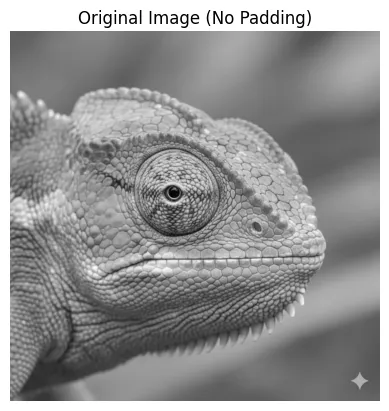 What is Zero Padding Zero padding is a technique used in […]
 - Load More

admin
Last active: Active 3 months ago
SHARE:
Comments: 0
Likes: 0
Submitted: 1046
Friends: 0
User Rating: Be the first one!

Adsterra
🔥 Top Offers (Limited Time)